
EV not charging? What to record before a diagnostic visit
Record your EV's charging error, vehicle details and recent charging history before contacting a workshop. A practical checklist for Riyadh owners.
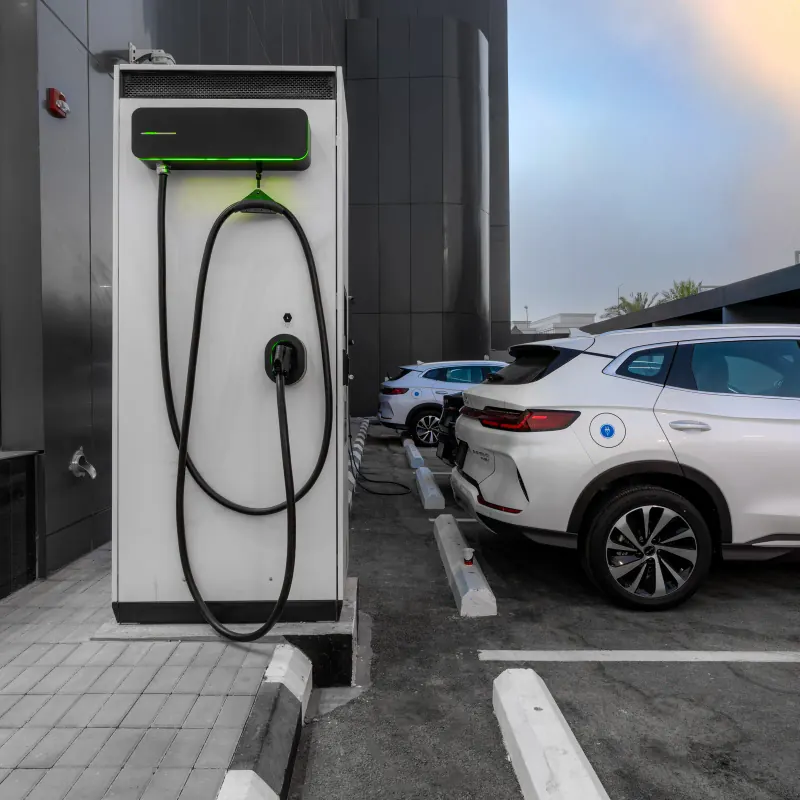
If your electric car will not charge, save the message shown on the car or charger when it is safe to do so. Note where you were and what happened. These details help the team handling your enquiry decide whether to start with the charging operator, the installer or a vehicle workshop.
Use the checklist below to prepare your enquiry. For any action involving the car or charger, follow the instructions for the exact model you own.
When to stop using the charger
Do not continue using visibly damaged charging equipment or open a charger to investigate a fault. Tesla's Wall Connector safety instructions, for example, prohibit use of damaged equipment and user disassembly. Follow the safety instructions for the actual product you own. Tesla charging-equipment safety information
If there is smoke, a burning smell, sparking or another apparent electrical hazard, keep people away and seek emergency assistance as appropriate. Do not handle suspect equipment to take a better photo. Follow any instruction from the car to stop or avoid charging. Ask for guidance before driving if the vehicle's condition is uncertain.
Save the exact message
When it is safe, photograph the full alert, including its code. Record whether it appeared on the car, the charger or a charging app. Keep the original wording, even if you also send a translation.
Write what you observed: "Charging started, then stopped, and this code appeared." That gives the technician more useful information than assuming the battery has failed.
For Tesla owners, the manufacturer publishes different explanations and actions for individual charging alerts. Some relate to external equipment or communication. The exact code matters; the same action should not be applied to every fault or every brand. Tesla Model 3 troubleshooting alerts
Record the vehicle and session details
Include the make, model and model year, and say whether the car is fully electric or a plug-in hybrid. For an imported vehicle, add the original sales market if you know it. This helps the workshop check the specification.
Then add: 1. Date and approximate time of the failed session
2. Battery percentage shown before charging
3. Home charger or public station, with the equipment model or station identifier if available
4. Whether charging never began, stopped after starting or continued at an unexpectedly low rate
5. The last occasion when charging worked normally
6. Any recent vehicle update, repair, charger change or change at the parking location
If you are unsure which equipment you used, say so. A photo of the label or session details can help, provided it is safe to take one.
Include previous charging records
Tell the workshop whether the vehicle has recently charged elsewhere and whether the problem has occurred more than once. Keep the records even if the fault comes and goes.
Do not keep reconnecting, reset protective devices repeatedly or travel to another charger merely to create evidence. Only try another charging location if the manufacturer's instructions for the fault allow it and the vehicle and equipment are safe to use.
If the issue occurred at a public charger, save the station number and any operator support reference. If an installer has already inspected a home charger, include the written findings with your enquiry so the vehicle workshop can see what has already been checked.
Use this short enquiry template
Vehicle and model year:
Original sales market, if known:
Exact warning or fault code:
Where and when charging failed:
What happened before it stopped:
Last successful charge:
Recent changes or work:
Photos or session records available:
Current city and whether the car has any instruction not to drive:
Remove passwords, payment details and unrelated personal information from screenshots. Share additional vehicle identifiers privately if the service team needs them to check the specification.
Ask what the next appointment will cover
Before booking, ask what the initial assessment covers and what it costs. Check which records to bring and whether the car needs transport. The workshop will need to assess the fault before recommending replacement parts.
EVS services electric and plug-in hybrid vehicles at its Al Qirawan workshop in Riyadh, its only operating workshop in Saudi Arabia. If you are in another city, discuss transport arrangements and charges before sending the car.
Send EVS your charging-fault details. Include the details above so the team can advise on the next step. You can also read about EVS diagnostic and vehicle-system services.
Common questions
Does a charging error prove that the main battery has failed?
No. Record the exact alert and let the relevant service team assess it. Do not approve a battery replacement based only on a general charging message.
Should I buy another charger first?
Avoid buying equipment simply to test a guess. Share the vehicle and charger information and ask whether the enquiry should first go to the charging operator, installer or workshop.
What if the fault disappears before the appointment?
Tell the workshop that the fault has stopped appearing and send your dated records. Ask whether to keep the appointment; a fault that comes and goes still needs to be described accurately.
Tap into EVS expertise
Book a free check now — a certified technician will answer every question.

Related articles

EV Dashboard Warning Lights Explained: What Each One Really Means
EV dashboard warnings can be confusing — and ignoring the wrong one is expensive. Here's a clear guide to what each common warning means and which ones need immediate attention.
How to Maintain Your EV Battery in Saudi Arabia's Hot Climate
Essential tips to maximize your electric vehicle battery lifespan in extreme heat — from charging habits to thermal management.
Why Chinese EVs Need an Extended Warranty in Saudi Arabia
Chinese electric vehicles are flooding the Saudi market — but many come without local warranty coverage. Here's what you need to know.